How to Choose Wedding Photos for Your Album: A Story-First Edit
The people, the quiet moments and the photographs you would miss. A considered way to turn a wedding gallery into a book that feels like your day.
Words by Chris Franz.
A gallery of favourites can still miss the shape of a wedding day. It may contain twenty portraits of the couple and almost none of the people, rooms or small transitions that made the day specific.
Start with the day, not the photo count
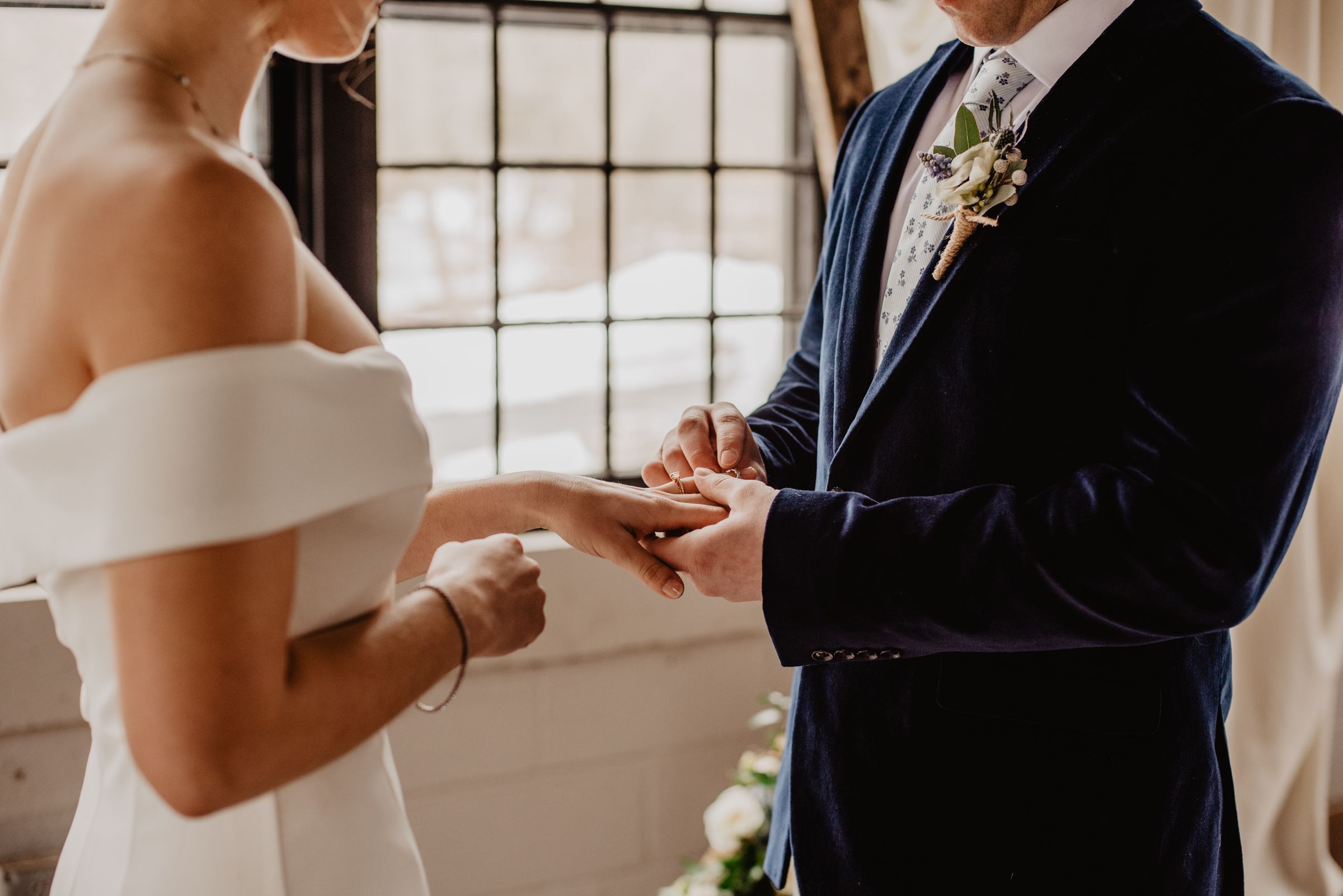
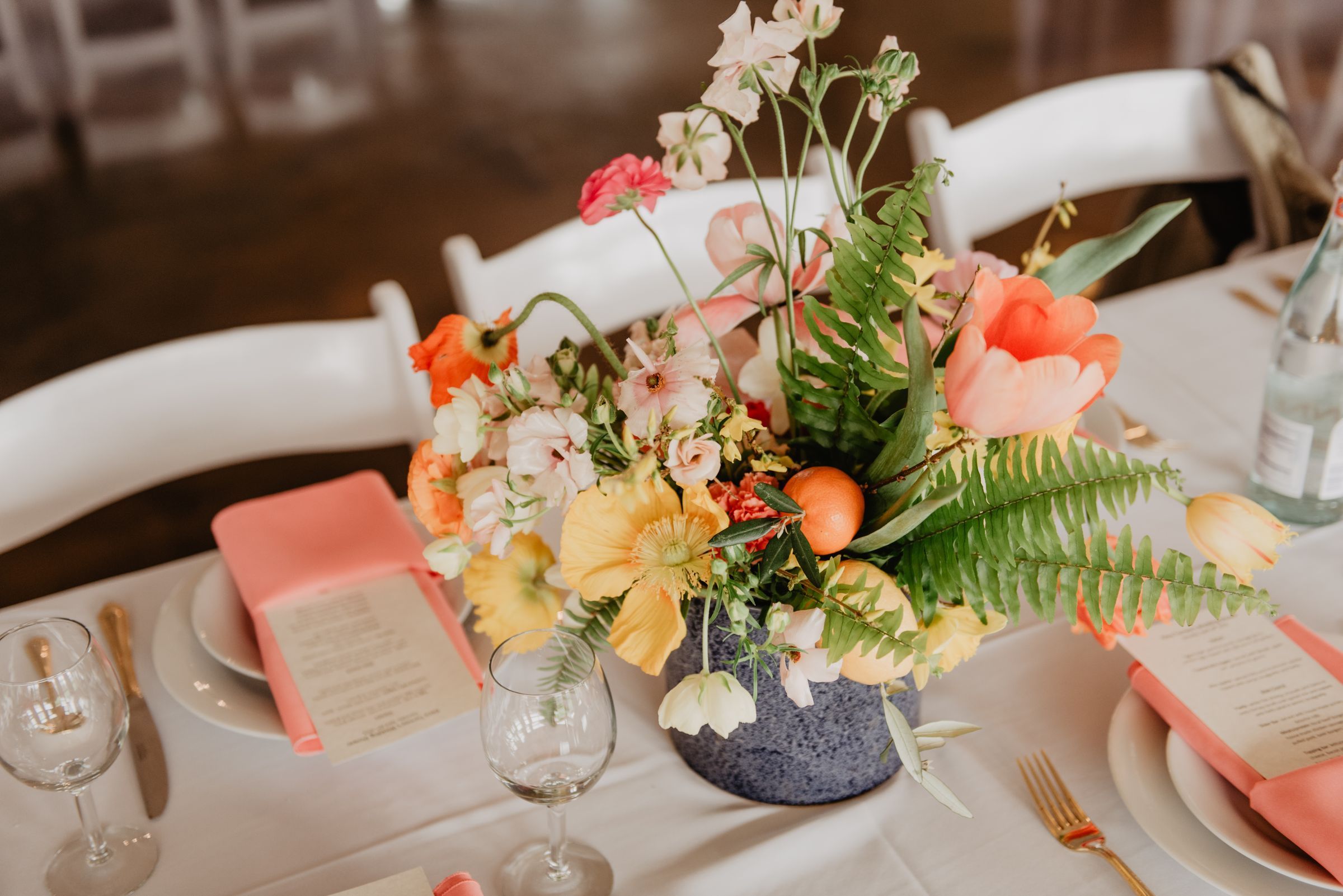
Put the photographs into the parts of the day you want to remember: getting ready, the ceremony, portraits, dinner and the evening. Use the chapters your wedding actually had. A view of the room, a greeting or a change of light can connect two moments better than another portrait.
Choose the photographs you would miss
A slightly soft photograph of a grandparent may matter more than a technically perfect table detail. Start with the people and moments that would make the book feel incomplete if they disappeared.
Choose one or two photographs to carry each chapter. Then add the frames that explain what came before or after. Keep a second image from a burst when the expression or action changes; leave out the versions that repeat the same moment.
From the moment to the page
A portrait, a gesture and the place around them can share a spread without competing for attention. Here is how that looks in Modern Vows.
The Modern Vows spread pairs close portraits with a ceremony photograph and a smaller detail. Different scales let the people lead while the setting stays part of the story. Use that same relationship when arranging your own photographs.
Explore photo booksMake room for the people around you
Look beyond the formal groups. A parent fastening a button, friends carrying chairs or somebody making the table laugh can tell you more about the day than another posed photograph.
Check the selection for close family and friends before you finish. It does not need to become a guest register. You are looking for the relationships you want to keep, including the people who stood away from the main camera.
Let the pages change pace
Chronology is a useful starting point. Move a portrait or a detail when it helps the sequence, rather than keeping it in place only because of its timestamp.
Open with a view of the setting, come closer to people, pause on a gesture, then open the view again. Give the photographs that matter most more space. If every image needs to be small for the selection to fit, return to the repeated moments and choose again.
Add the words you will want later
Names, a date, a sentence from a speech or the remark everyone still repeats can carry the day forward. Add them once the image order feels right. Keep the words that tell you something the photograph cannot.