Baby’s First-Year Photo Book Checklist: Milestones and Everyday Life
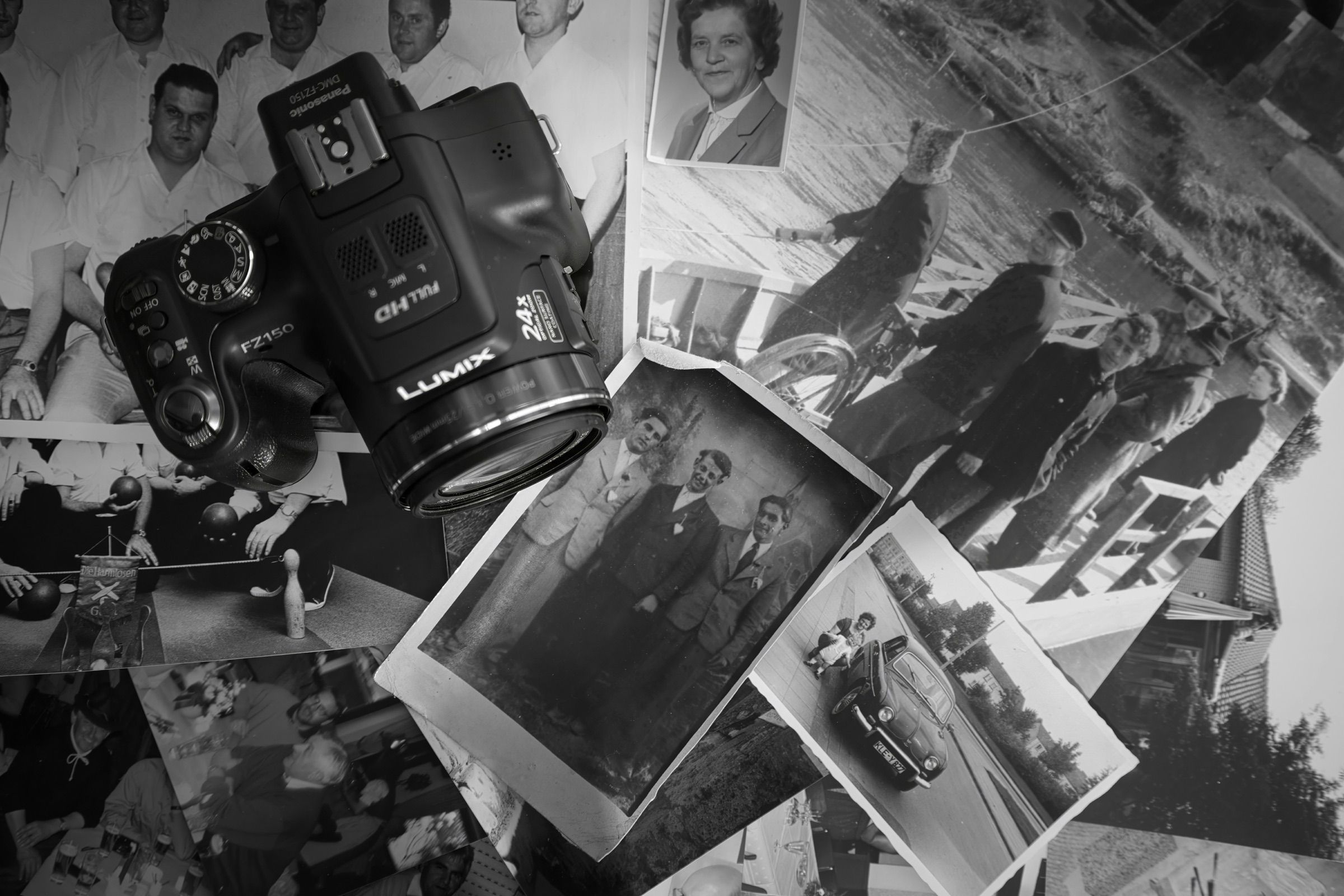
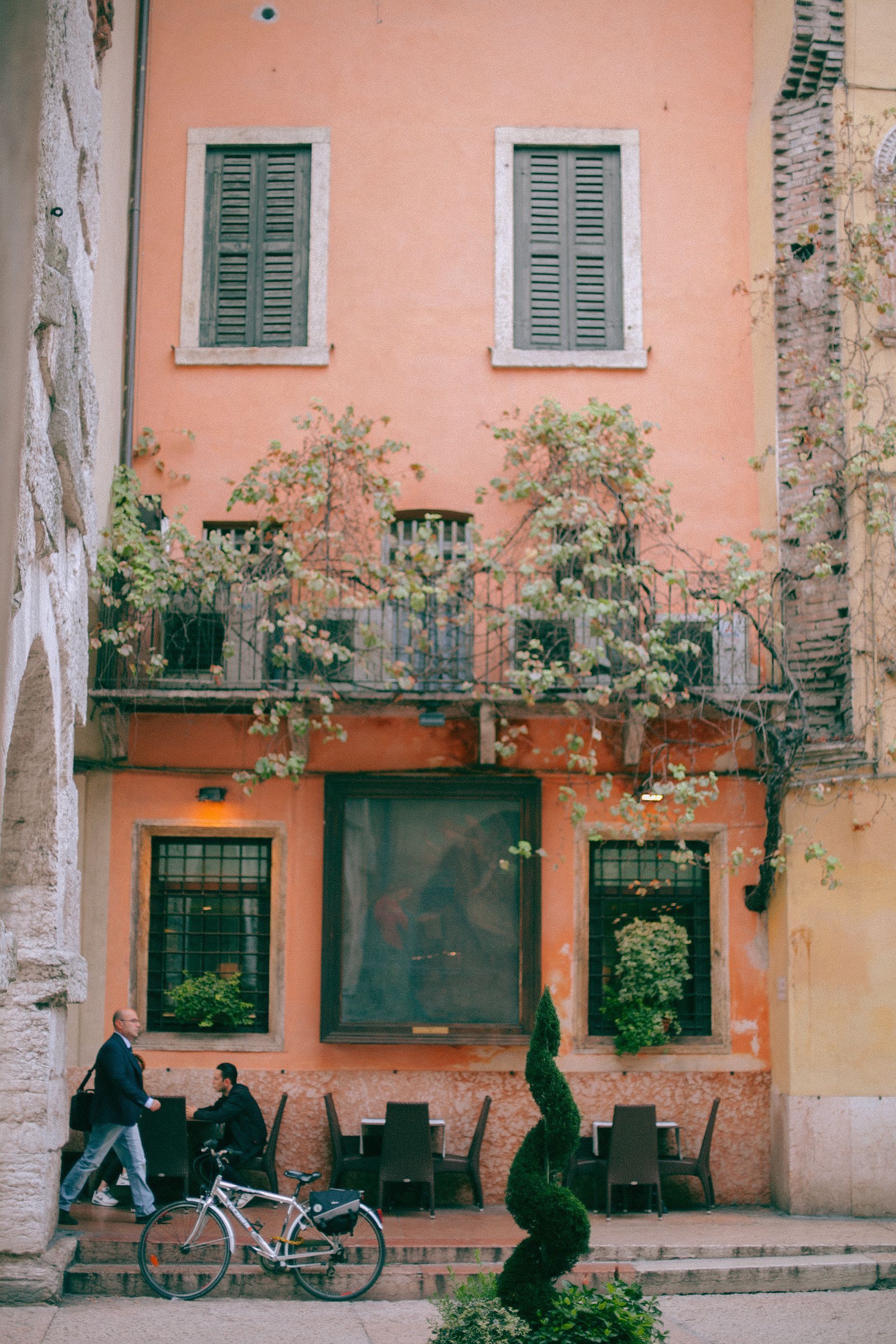
First steps and birthdays are easy to find. The harder part is remembering the familiar room, the tired morning and the people who kept turning up. A first-year book needs those ordinary frames as much as the milestones.
Words by Chris Franz.
A baby's first-year photo book needs the milestones, but the ordinary days give those milestones a home. Keep the first smile and first steps. Keep the familiar room, the person behind the camera, the exhausted breakfast and the objects that quietly disappeared as the baby grew.
The First-Year Memory Map divides the edit into four kinds of evidence: change, care, people and place. It works as a checklist without forcing every family into twelve identical monthly spreads. Use it during the year if you can, or use it to search an existing camera roll.
Before selecting photographs, decide who the book is for and whether it will remain private. A family copy can hold more context than an article or public post. Names, health information, routines and precise locations deserve a separate review.
The First-Year Memory Map

Four parts of the first-year story
| Option | What to look for | Possible photographs |
|---|---|---|
| Change | What became possible, different or newly familiar? | First bath, holding the head up, sitting, food, movement, teeth, gestures |
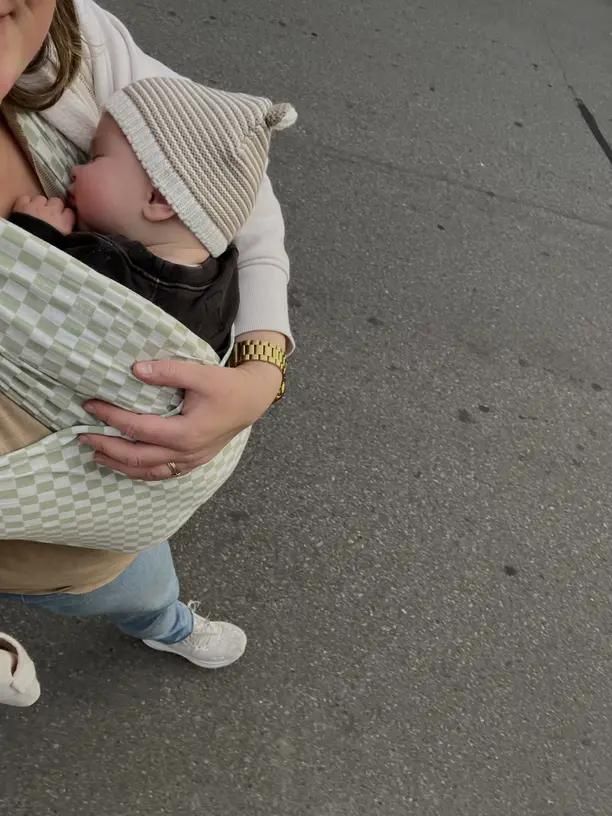
| Care | What did everyday looking-after actually feel like? | Feeding, carrying, bedtime, laundry, the pram, a tired morning, a calm one |
| People | Who was present, including the usual photographer? | Parents, siblings, grandparents, friends, caregivers, family pets |
| Place | Which rooms, seasons and objects located this year? | Home, window light, weather, cot, favourite toy, changing neighbourhood |
Collect little and often
Create one shared album for the year and add a small set each month. Invite the people who regularly care for the baby; otherwise the book may inherit one phone's point of view. Keep original files where possible and back them up outside the shared album.
Add a short note while the detail is still easy to remember. A new sound, favourite food, nickname or change in routine may never appear in the image metadata. One line is enough. The final book does not need every note, but the notes give the later edit something more reliable than memory.
If the first birthday has already passed, work month by month through dates, messages and calendars. Do not invent a precise date when only the season is known. "Early spring" is better than a confident mistake.
Keep milestones in proportion
Milestones make clear chapter markers, which is why they are easy to overuse. Five photographs of the first bath may crowd out six weeks of ordinary life. Choose the frame that best carries the change, then look around it for the room, people and routines that gave it meaning.
Some expected firsts may have no photograph. Leave the gap alone. A short note can carry the memory, or the book can move to the next real image. A complete first-year book does not require documentary proof of a standard checklist.
First-year photo book checklist
The beginning
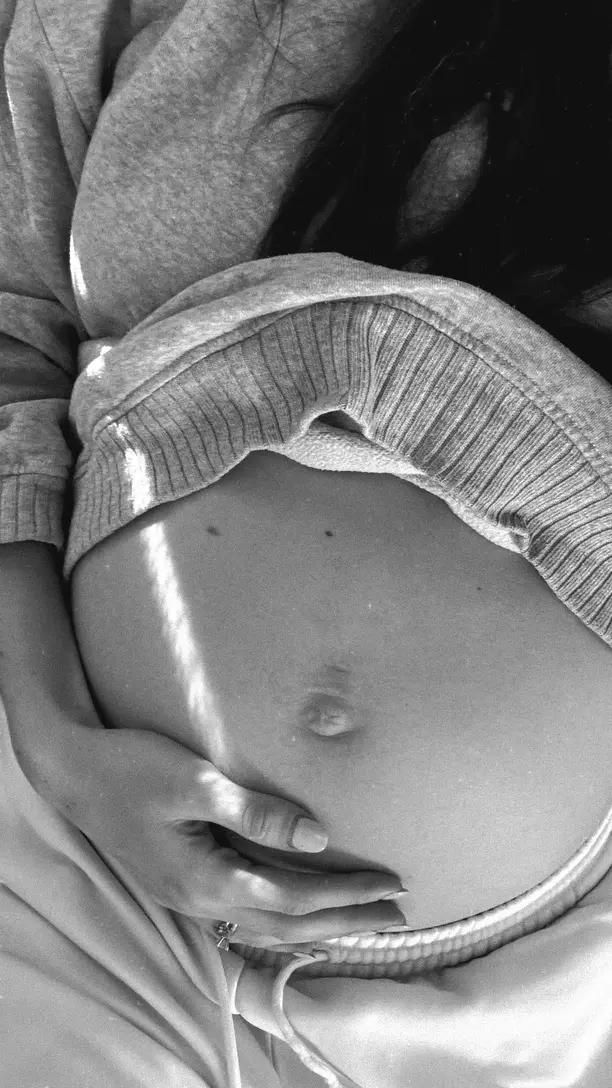
Pregnancy or preparation if wanted, arrival, first days, the first view of home and the people present.
Changing body and movement
Hands, feet, expressions, sitting, crawling, standing or the changes that belong to this child's year.
Food and sleep
Feeding, favourite cups or spoons, sleepy rituals and the honest disorder around them.
Care and comfort
Baths, carrying, getting dressed, calming down, medical care only when the family wants it remembered.
Relationships
Parents, siblings, grandparents, friends, caregivers and the people who are usually behind the camera.
Home and season
Rooms, weather, walks, celebrations, ordinary weekends and objects that show scale.
Voice and personality
Nicknames, sounds, gestures, games, preferences and the small habits photographs cannot explain.
The first birthday
Preparation, people, atmosphere and one closing photograph; the cake does not need its own chapter.
Edit for the child and the family
Begin with emotional importance. Keep the photographs that show relationships and change, even when the light is imperfect. Then remove repeated scenes and check technical quality at the size the image will occupy. A small supporting frame can preserve a memory without pretending to be a full-page portrait.
The Four-Pass Edit separates emotional value from technical quality so one rough image is not discarded too early.
Look for representation. Is one parent always holding the camera? Did grandparents send photographs that never entered the main camera roll? Does the year show care as well as celebration? The correction may be a modest phone image, and that is fine.
Choose months, themes or a light hybrid
Monthly chapters make change easy to follow and help distribute the year. They can become repetitive when every month has the same number of pages and the same layout. Thematic chapters such as home, people, movement and first outings create stronger visual groups, but they make time less obvious.
A light hybrid is often enough: keep the year chronological, then allow two or three spreads within a period to gather one recurring idea. A sequence of bath photographs across several months can show change more clearly than placing one in every chapter.
I would not force every month to occupy the same number of pages. Babies and camera rolls are not that orderly, and the book does not improve by pretending otherwise.
Estimate the final selection with the spread-based photo planner. Reserve room for chapter openings and notes before filling every page.
Write the context photographs cannot keep
Use names, approximate dates, favourite phrases and small changes. "The week every cupboard needed a lock" will carry more memory than "Growing so fast." Ask other caregivers for one sentence in their own words; do not rewrite every voice until it sounds the same.
The Caption Ladder helps decide when a label is enough and when a longer memory deserves space.
Run a child-privacy edit
Make a separate pass for bath photographs, health information, nakedness, school or childcare details, addresses and predictable routines. The question is not whether the moment matters. It is whether the same information belongs in every copy or any public version.
Keep the private family book private. If selected spreads later appear on a website or social account, create a second, narrower selection and ask every identifiable adult for permission. A child cannot meaningfully approve a permanent public archive of their first year.
Build the ending before filling the middle
Choose a closing photograph early. It might be the birthday, a quiet night or the child moving away from the camera. The ending gives the middle a direction and prevents the last pages becoming a pile of images left over from month twelve.
Use the layout roles to vary full-page milestones, small daily details, text and pauses across the year.
First-year proof before ordering
The year has a beginning and ending
The first and last photographs feel chosen, not simply earliest and latest.
Ordinary care is visible
Daily routines and the people doing them sit beside the expected milestones.
The usual photographer appears
Shared albums and contributions have repaired the one-person camera bias where possible.
Repeated months have been reduced
Similar sleep, bath and food pictures show real change or leave the book.
Names and dates are checked
Other caregivers have reviewed details that one camera roll cannot confirm.
Private details match the audience
Every copy and any public extract has the right privacy boundary.
Baby first-year photo book questions
Begin a book for the first year
Explore Art of Sundays baby photo books when the family has agreed on the memories, privacy boundary and first selection.
Once the family has agreed on the privacy boundary and first-year selection, bring the Memory Map into Art of Sundays. Baby Year Story Mode and SmartEngine create the first designed version, giving milestones scale while keeping room for the daily life around them.
Create a baby photo book