Photo Book Captions: What to Write Without Sounding Generic
“Paris, 2026” locates a photograph but says little about the day. A useful caption adds the name, remark or small piece of context the image cannot hold on its own, in words you would actually use.
Words by Chris Franz.
Good photo book captions add the part a photograph cannot hold: a name, a place, a remark, the smell of the room or what happened a minute later. Start there. A caption that merely says "a beautiful day" asks the photograph to do all the work and gives the future reader almost nothing new.
You do not need text under every image. Give words to photographs whose meaning depends on context, and leave the obvious ones alone. A date can be enough. So can a sentence someone actually said. Longer memories deserve their own space when they change how the surrounding images are read.
The method below is the Caption Ladder: begin with the smallest useful fact, then add one layer at a time until the memory feels complete. Stop before the text starts describing what anyone can already see.
The Caption Ladder
Move up the ladder only when the next level adds something worth keeping. Most photographs need one or two levels. A chapter opener or family story may use more.

Five useful levels of photo book text
| Option | What it adds | Example | Works well for |
|---|---|---|---|
| 1. Label | A name, place or date | Mara and Jo, Lisbon, May 2026 | People, locations, family archives and timelines |
| 2. Observation | One detail noticed in the moment | The bakery opened before the street woke up. | Travel details, ordinary days and scene setting |
| 3. Voice | An exact phrase or piece of dialogue | "Do not let go yet." | Children, celebrations, speeches and shared jokes |
| 4. Context | What happened outside the frame | Five minutes later the rain sent everyone back inside. | Transitions, imperfect photographs and surprising moments |
| 5. Memory | A short story the image brings back | We took this on the last morning, after deciding to miss the early train. | Openers, closers, dedications and chapter essays |
When a photograph needs words
Add a caption when the identity of a person may be forgotten, the location is not obvious, the date matters or the photograph has a private meaning that another reader would miss. Text also helps when two similar images record different moments. The words can make that distinction without forcing a more dramatic layout.
Leave the spread quiet when the image already carries the information and feeling. A close portrait does not need a sentence praising the person. A landmark rarely needs its city repeated if the chapter title has already established the place. Repetition in text feels louder than repetition in photographs.
Caption decisions depend on the page around them. The photo book layout guide explains how text, margins and image hierarchy share a spread.
Six prompts that sound like a person
Generic captions usually begin with an abstract feeling. Personal captions begin with evidence. Pick one prompt and write the first answer in the words you would use in a message to the person beside you.
My test is simple: if the sentence could sit under somebody else's photograph without changing a word, it is not ready yet.
Six caption prompts
Name the person the future reader may not know
Include the relationship when it matters: Jo, my grandmother's closest friend, rather than a surname nobody will recognise.
Write down the exact phrase you still repeat
Keep the wording intact. A slightly odd family phrase carries more character than a polished quotation.
Record one sensory detail
Choose the cold floor, burnt toast, salt in the air or music from the next room. One specific detail is enough.
Add what happened just outside the frame
The missed bus, sudden rain or person taking the photograph can explain why an ordinary image stayed.
Describe the small action
Instead of calling the day special, write what someone did: he carried both shoes home; she saved the last peach.
Leave a note for the person opening the book later
Write what you hope they remember about this moment, without turning it into a greeting-card message.
Edit the first sentence, not the memory
A first draft often arrives as a label followed by praise: "Our amazing weekend in Paris." Keep the useful fact, then replace the praise with the detail that made the weekend yours. "Paris, October 2025. The tiny lift stopped between floors every morning." The second version is not grander. It is harder to confuse with somebody else's trip.
Read the sentence aloud. Remove any word you would never say. Cut the setup if the sharpest detail appears at the end. Keep names and dates consistent across the book, but let the voice change when a quotation belongs to someone else.
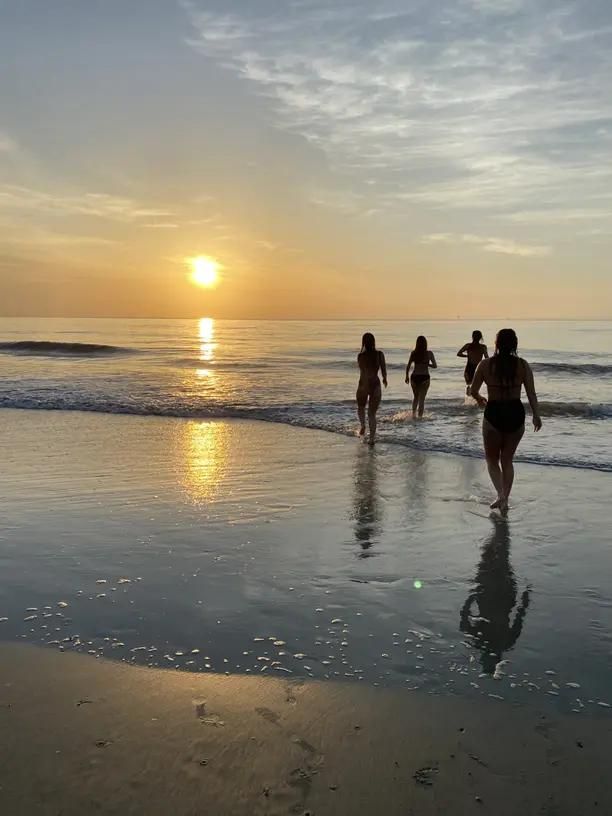
From generic note to specific caption
| Option | First note | Edited caption | What changed |
|---|---|---|---|
| Travel | Such an amazing view. | The road above Sóller, just before the cloud covered the pass. | Adds place and timing; removes generic praise |
| Wedding | The happiest day of our lives. | Waiting behind the kitchen door while everyone found their seats. | Uses a private moment instead of a slogan |
| Baby | You grew so fast. | The week every cupboard needed a new lock. | Turns a broad feeling into a remembered change |
| Family yearbook | Summer memories. | July: dinner outside until the mosquitoes won. | Adds month, action and a little friction |
| Portrait | Beautiful Mum. | Mum in the blue chair she refused to replace. | Preserves a recognisable detail |
Wedding, baby, travel and yearbook captions
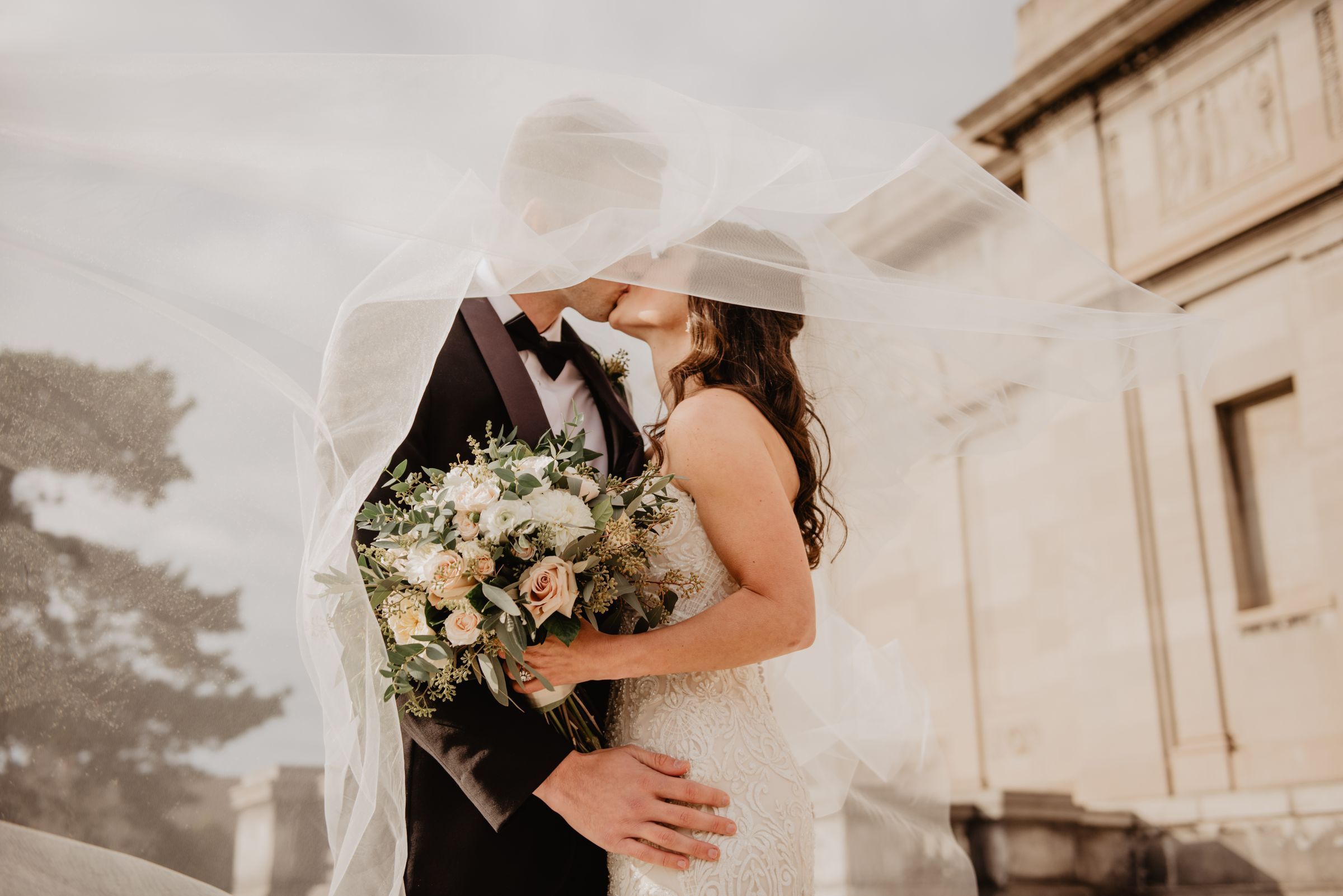
Wedding captions are most useful for names, speeches, private jokes and transitions that guests did not see. Keep the language close to how the couple speaks. A line from a speech needs permission if the book or article will be shared beyond the family.
For the wider edit, use the story-first wedding photo method before writing text for every favourite.
A baby's first-year book benefits from dates, changing routines, favourite sounds and the names of people providing care. Avoid health details, precise routines or locations that the child may not want published later. The private book and the public article do not need the same information.
The first-year photo book checklist separates useful memory cues from details that deserve a privacy check.
Travel captions earn their place when they record a street, meal, wrong turn, weather change or remark that photographs cannot locate. Copy place names from reliable notes or metadata. If you no longer know the exact café, write the neighbourhood or leave it out. Precision should be real.
Yearbook text can stay compact: month, name and one sentence. The repetition becomes a system and makes longer entries feel deliberate. Write the small notes during the year; memory is a poor filing system in December.
Typography and proofreading
Set a simple hierarchy before placing the text. Names and dates can share one treatment. Observations can use another. Longer memories need enough width and line spacing to read without competing with the image. Use fewer type styles than caption types.
Proof names first. Then dates, place names, punctuation and line breaks. Read every spread at useful size, because a caption that looks calm in an editor panel may feel tiny on the page. Check the centre binding and outer trim, especially when text sits close to an image edge.
If the book is still at the beginning, return to the complete photo book workflow and finish the sequence before polishing every line.
Caption proof before print
Read only the captions
Check whether the voice stays recognisable and repeated phrases have slipped in.
Check every proper noun
Confirm names, accents, place names and relationships with someone who knows them.
Compare dates with the archive
Use file dates, calendars or messages when memory is uncertain.
Remove visible descriptions
Cut sentences that repeat the action, colour or expression anyone can already see.
Review private information
Separate what belongs in a family copy from what can be shared or published.
Inspect the final page size
Make sure text is readable, line breaks are calm and nothing important approaches trim or binding.
Photo book caption questions
Bring your photographs and words together
Use the selected captions in an Art of Sundays photo book once every name, date and personal detail has been checked.
Bring the final selection into Art of Sundays and let SmartEngine establish the first visual sequence. Add the checked captions once the photographs have a place, then judge every word beside the image and handcrafted layout it is meant to support.
Create your photo book story