The Travel Photo Book Shot List: Photos That Tell the Whole Trip
Come home with only grand views and the trip may look oddly empty. This shot list makes room for arrivals, portraits, weather, food, signs, hands and the small transitions that help a future reader understand the journey.
Words by Chris Franz.
A travel photo book shot list has one job: help you come home with a story instead of thirty versions of the same view. Landmarks matter, but they cannot remember the wet train platform, the room key, your friend laughing at breakfast or the street after everyone has gone home. Those smaller frames give the trip its own voice.
I think about travel photographs by the role they may play later. Some open a chapter. Some locate the reader. A face brings the trip back to human scale; a receipt or handwritten sign can carry the place with almost no explanation. The list below is built around those roles, so it works for a city weekend, a long road trip or several weeks in one place.
Use it lightly. A camera roll made to satisfy a checklist can feel as lifeless as one made entirely of postcard views. Look first, make the photograph and check the list when the day has a natural pause. Missing a box is harmless. Missing the people you travelled with is harder to repair.
Decide what the trip is really about
Before leaving, write one sentence you would want the finished book to hold. It may be the first trip with a new baby, a week built around food or the last summer in a familiar family place. That sentence changes what deserves attention. It can make a quiet morning more useful than another famous facade.
Set a privacy boundary at the same time. Photographing companions, children, homes and strangers calls for judgement before publication. A private book can hold details that do not belong in a public preview. If somebody does not want to be photographed, the shot list does not overrule them.
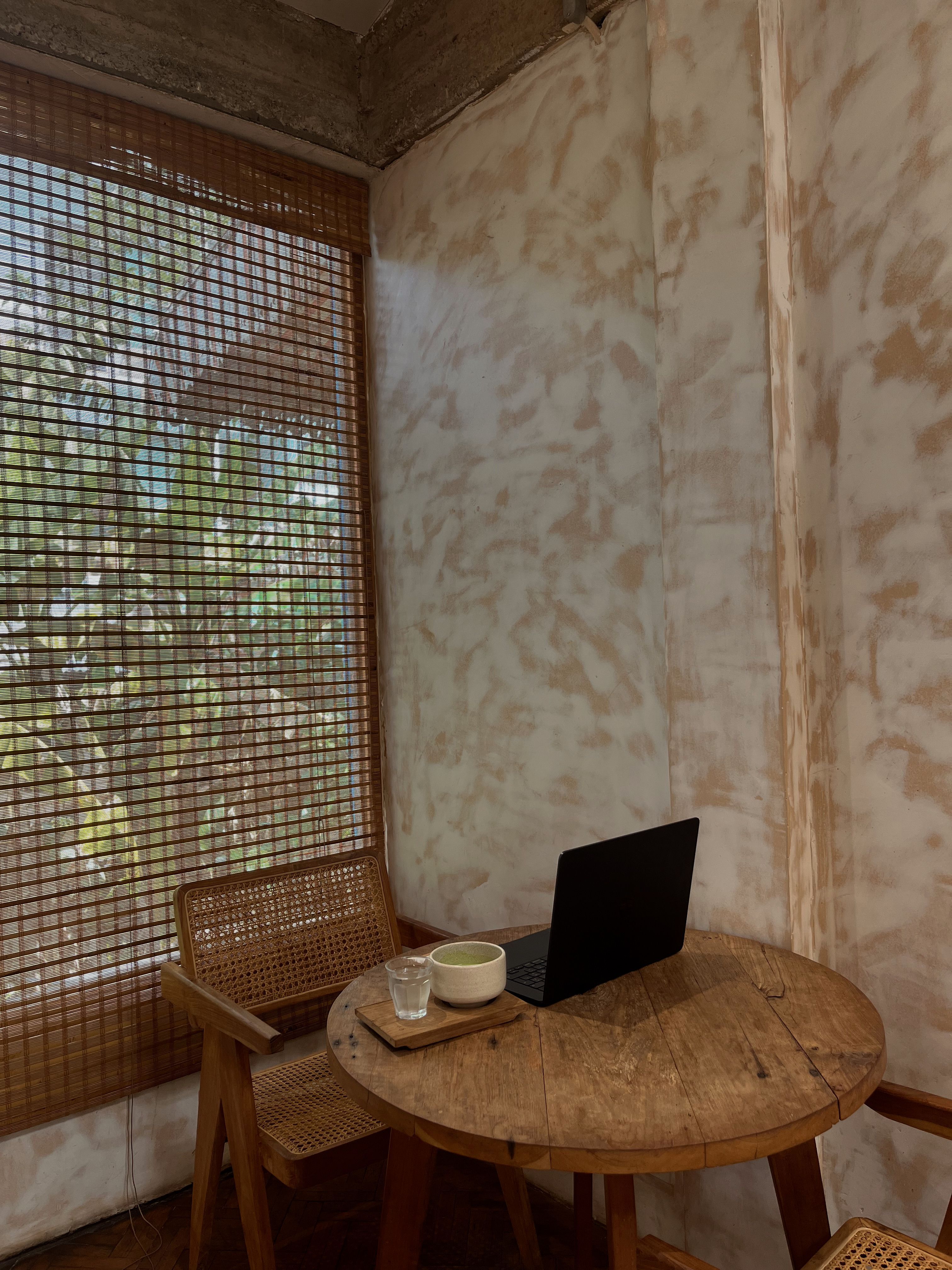
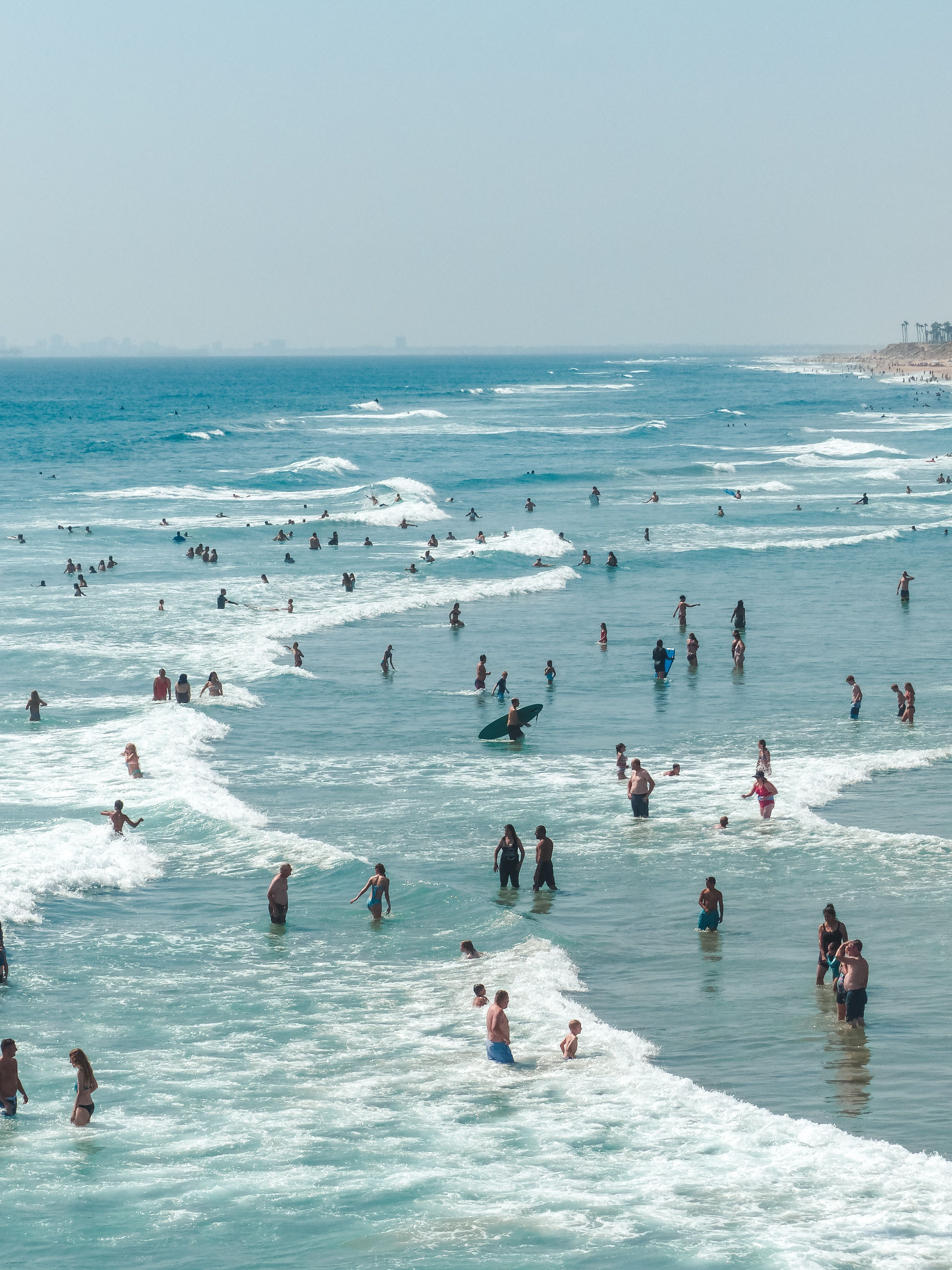
Four views of the same place
| Option | What it gives the book | A useful prompt |
|---|---|---|
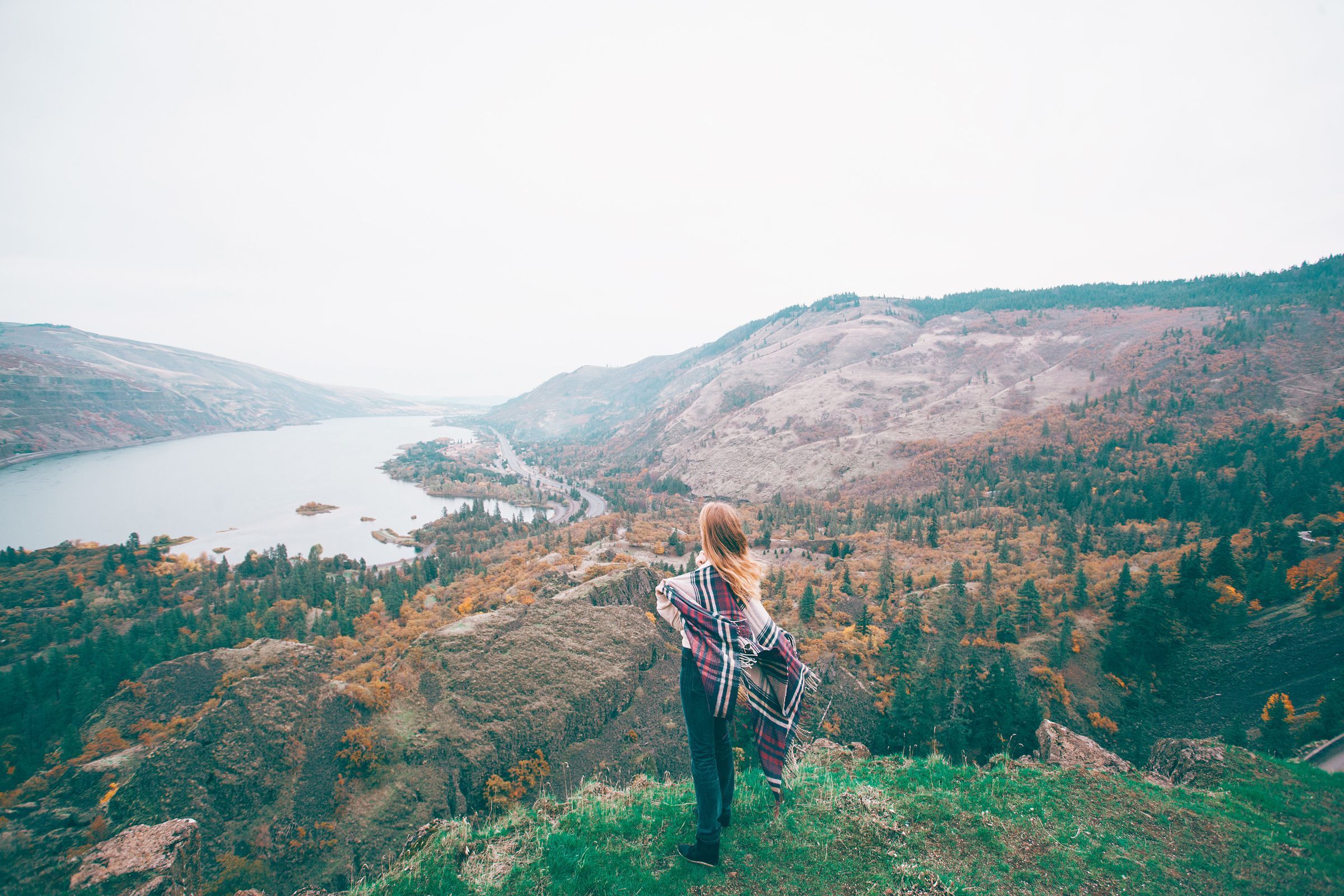
| Wide | Establishes the place, weather and relationship between subjects | What would someone need to see to understand where we are? |
| Human distance | Shows people moving through the place at a recognisable scale | Where does daily life meet the view? |
| Detail | Carries texture, evidence and the small things memory drops first | What would I pick up, touch or point out to a friend? |
| Vertical alternative | Gives portrait pages, covers and narrow layout frames a strong option | Can this scene be simplified into one tall relationship? |
A travel story in six passes
You do not need to make every kind of picture at once. Return to these six passes as the journey changes.
- 1
1. Open with arrival
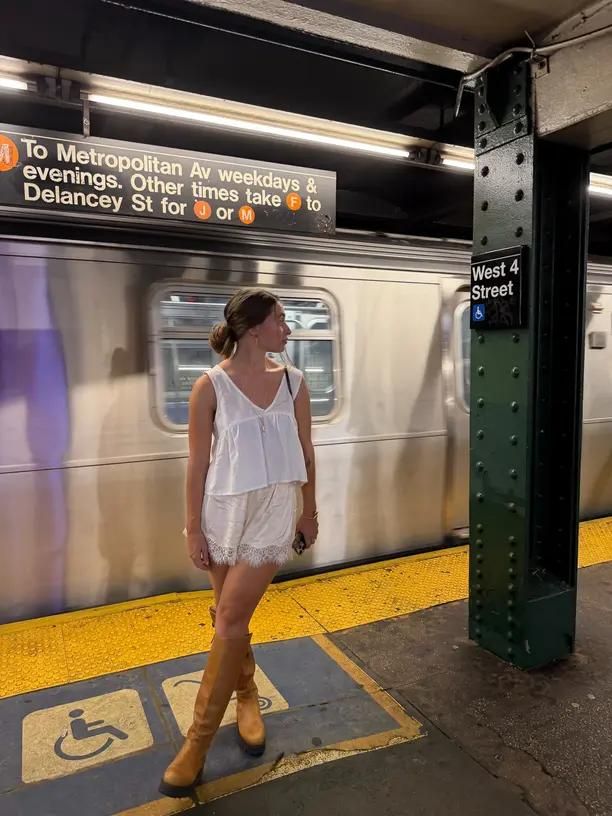
Photograph the threshold: the first road, platform, doorway, view or person that makes the trip feel underway. A clean beginning gives the final sequence somewhere to start.
- 2
2. Establish the route
Keep the transport, signs and changes of place that explain movement. A route is easier to remember when the book can show how one chapter became the next.
- 3
3. Move closer to people
Make portraits and unguarded moments with consent. Include the person usually holding the camera, even if that means asking someone else to make the frame.
- 4
4. Collect the daily texture
Rooms, meals, weather, tickets and shop windows stop the larger views floating without context. They often become the photographs people talk about longest.
- 5
5. Notice change
Return to a street in different light, follow a storm arriving or photograph the table before and after dinner. Change creates sequence without needing a dramatic event.
- 6
6. Make an ending
Look for the final packed room, last swim, road out or view back. The strongest closing frame rarely appears by accident once everyone is thinking about the journey home.
Arrival, place and route
The first threshold
A station sign, open road, hotel doorway or first glimpse that can begin the story without a long caption.
One orienting view
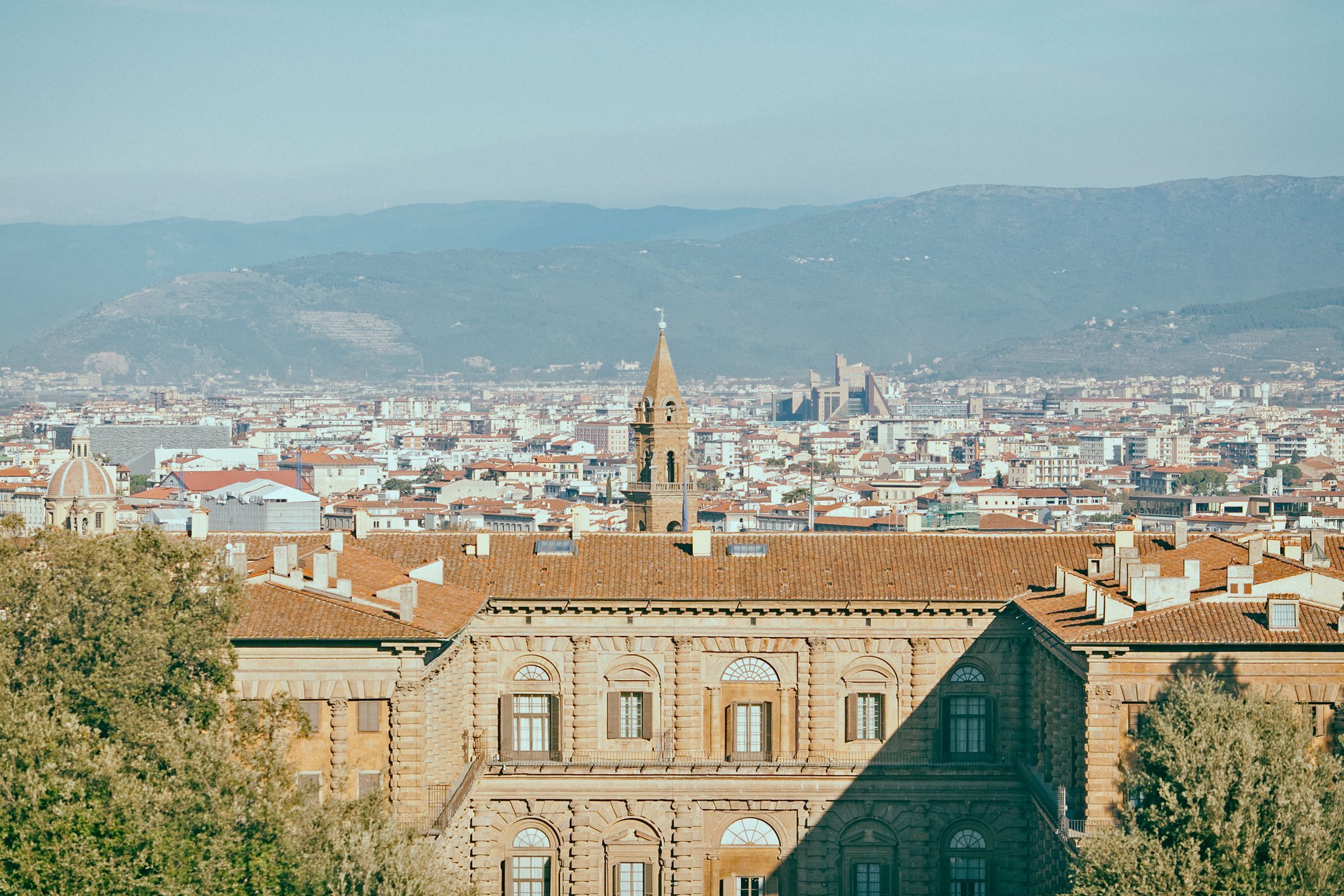
A wide photograph with enough geography to explain where people, buildings or landscape sit in relation to one another.
The route underfoot
Tracks, pavement, water, dust or steps that make movement visible and can carry the eye into the next page.
Useful wayfinding
A map, platform number, street name or handwritten direction that locates the chapter without revealing a sensitive address.
Transport with context
The vehicle and the experience around it: waiting, loading, looking out, changing seats or watching the road disappear.
A room before it changes
Photograph the temporary home on arrival, then one lived-in detail later. The difference can hold an entire part of the trip.
The view you kept checking
A window, balcony, campsite or street corner seen often enough to become part of the daily rhythm.
People and the life between landmarks
Everyone travelling
Make at least one considered photograph of each companion and one group frame that includes the usual photographer.
A real conversation
Look for attention, gesture and distance between people. Ask before photographing anyone outside your group when the moment is personal.
Hands doing something
Holding a ticket, cutting food, carrying a child or tracing a route can say more about the day than another posed portrait.
The waiting
Queues, delayed trains and tired pauses give the highlights a believable scale. Photograph with kindness, especially when someone is exhausted.
A repeated habit
Morning coffee, the same seat in the car or a daily swim can become a visual refrain across several chapters.
One frame made by someone else
Pass the camera over or use a timer. Your presence in the archive should not depend entirely on accidental reflections.
The private moment kept private
Some photographs belong in the household book and nowhere online. Mark that boundary while the context is still clear.
Architecture, food, weather and detail
A building in its surroundings
Give architecture enough street, landscape or human scale to show how it belongs to the place.
A shape worth isolating
Find one facade, staircase, shadow or colour relationship that can carry a quieter page on its own.
The meal before the first bite
Photograph the table and the people around it quickly, then put the camera away while the food is still warm.
Evidence of taste
A menu note, market label, stained napkin or ingredient can hold more memory than a polished overhead shot.
Weather on a surface
Rain on glass, hard noon shadow, wind in clothing or fog around a building makes the conditions visible.
One colour thread
Notice a colour that returns naturally across doors, clothing, food or transport. Do not manufacture it; collect it when it appears.
A local texture
Stone, fabric, paint, sand or foliage gives a future layout a close detail that can sit beside a broad scene.
Night with a reason
Photograph what changed after dark: pace, light, people or weather. A noisy high-ISO frame can still carry the night honestly.
Transitions, mistakes and the way home
Before and after
A beach before the crowd and after sunset, or a table before and after dinner, gives the book an immediate pair.
The wrong turn
Keep the road, expression or place discovered by accident when it changed the story rather than merely delaying it.
Something imperfect
Motion blur, bad weather or an awkward crop may hold the only real trace of a moment. Judge its memory before its polish.
A quiet reset
An empty chair, closed shop or still room creates a pause between visually busy chapters.
The last full day
Make one photograph that understands the trip is nearly over without forcing everyone into a ceremonial pose.
Packing and departure
The suitcase, keys, final platform or road away closes the physical journey and gives the sequence a natural turn home.
The first trace back
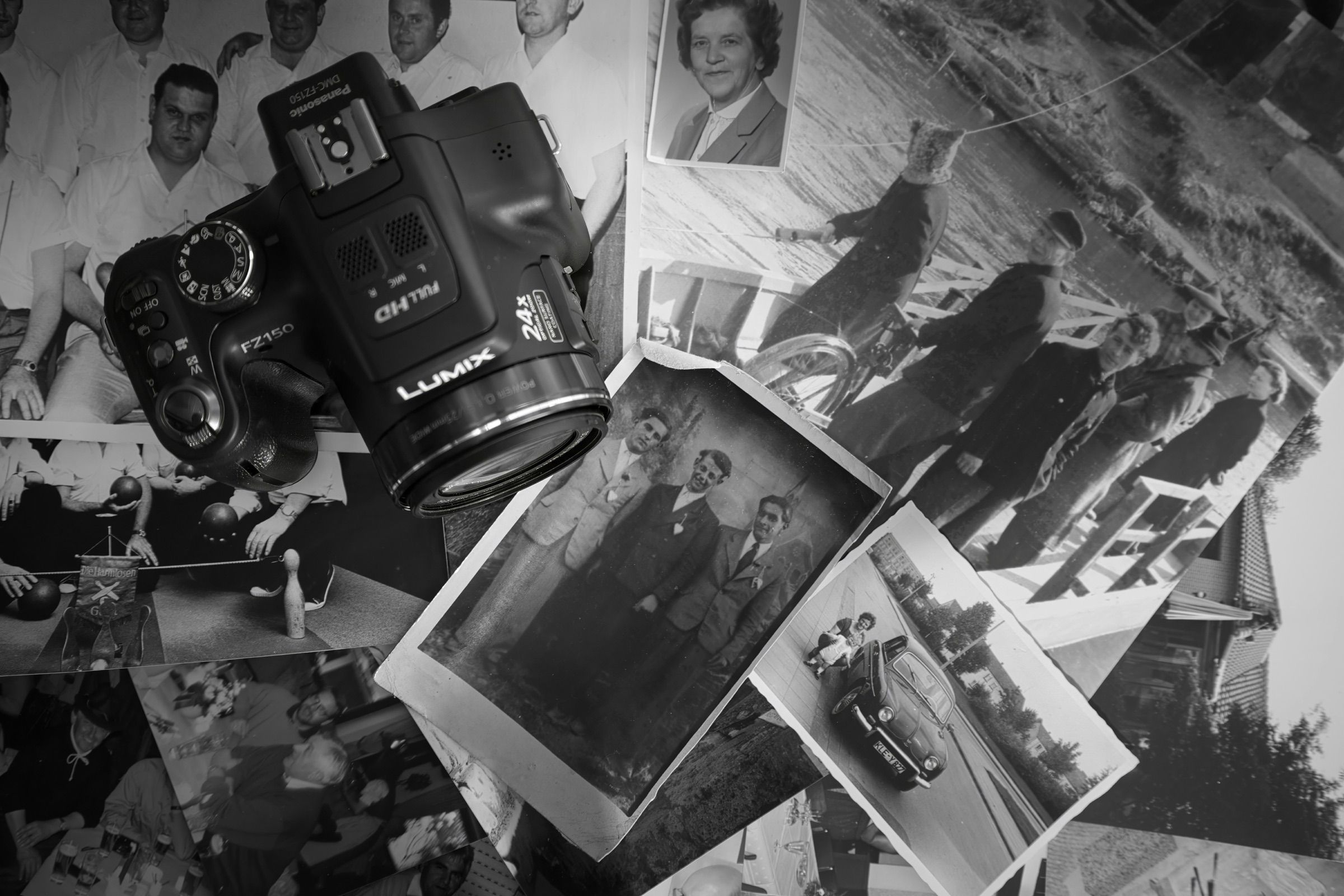
A ticket on the table, sand in a bag or the camera roll at home can become a short epilogue if the book needs one.
Give the future edit useful options
For the subjects that matter most, make both horizontal and vertical frames. Change distance before repeating the shutter. A technically perfect burst of twelve similar pictures still gives the book one idea; a wide view, a portrait and a detail give it a small sequence.
Protect the original files and keep timestamps intact. Location data can help recover a route, but precise home, school or private-property locations need another privacy pass before any public use. A short note in your phone is enough when the photograph cannot remember the name, the joke or why the detour mattered.
After the trip, use the travel chapter method to turn the route into a sequence. The shot list supplies variety; the edit decides which photographs earn a place.
Reduce repeated views with the Four-Pass Edit, then use the Caption Ladder for the names and small facts the photographs cannot carry alone.
The list has worked when the final selection can move between scale, people, place and pause without borrowing generic filler. You should be able to recognise the trip even after removing its most famous landmark.
Travel photo book shot list questions
Turn the completed shot list into a book
Explore Art of Sundays travel photo books after the journey has enough variety, personal context and rights-cleared images for a complete story.
Bring the finished travel selection into Art of Sundays, choose Travel Story Mode and a handcrafted theme. SmartEngine builds the complete first version around chronology, image fit and print constraints, so you begin with a designed journey and refine the memories that deserve the most space.
Create your travel photo book